

What is Scoliosis in Children? Symptoms, Causes, and Diagnosis Methods
If you suspect your child has a spinal curvature or have recently received this diagnosis, you probably have many questions. In this article, we address common questions about scoliosis in children in simple, understandable language. Our goal is to inform you and help you take the right steps in this process.
What is Scoliosis in Simple Terms?
Scoliosis is the medical term for an abnormal curvature of the spine greater than 10 degrees to the left or right. This condition can occur along with a rotation of the spinal bones (vertebrae) in one direction. Scoliosis is not just a sideways bend; it's a three-dimensional deformity. In children, it most commonly appears or progresses during the growth spurt of adolescence.
What are the Common Symptoms of Scoliosis in Children?
Scoliosis usually doesn't cause pain, so you might notice the symptoms through changes in physical appearance. Signs parents should watch for include:
-
Shoulder Asymmetry: One shoulder appears higher than the other.
-
Prominent Shoulder Blade: One shoulder blade is more prominent or higher than the other.
-
Hip Asymmetry: One hip appears higher or more forward than the other.
-
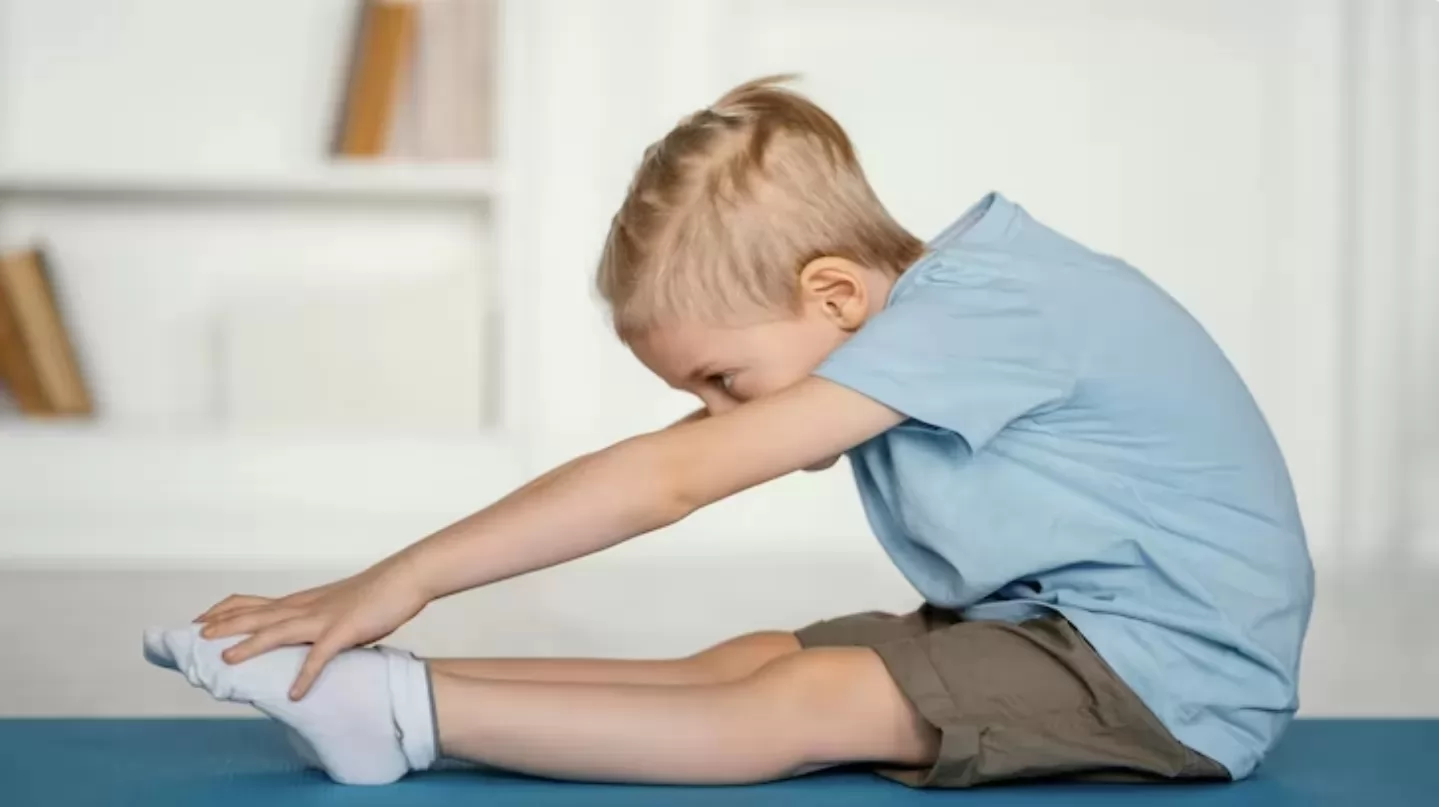
Trunk Imbalance: When the child bends forward (Adams forward bend test), a noticeable prominence (rib hump) appears on one side of the back compared to the other.
-
Arm and Body Gap: When standing upright, the space between the arms and the body may not look equal on both sides.
-
Ill-Fitting Clothes: Clothes, especially skirt hems or pant legs, may appear longer on one side.
What Causes Scoliosis in Children? What are the Types of Scoliosis?
There are different types of scoliosis, and their causes vary accordingly:
-
Idiopathic Scoliosis (Unknown Cause): The most common form (80-85%). Although the exact cause is unknown, genetic predisposition is thought to play a role. It is classified by age:
-
Infantile Idiopathic Scoliosis: 0-3 years
-
Juvenile Idiopathic Scoliosis: 4-10 years
-
Adolescent Idiopathic Scoliosis: 11-18 years (The most common type)
-
-
Congenital Scoliosis: Caused by an abnormality in the spine that occurs during fetal development. Conditions such as incomplete formation or fused vertebrae cause this type.
-
Neuromuscular Scoliosis: Develops due to underlying neurological or muscular diseases (e.g., cerebral palsy, muscular dystrophy, spina bifida). It tends to progress faster and is more likely to require surgical intervention.
-
Syndromic Scoliosis: Occurs in association with specific syndromes like Marfan syndrome or neurofibromatosis.
How is Scoliosis Diagnosed?
The diagnostic process usually begins with a physical examination. Your doctor will examine your child in detail, including the forward bend test. If scoliosis is suspected, radiological imaging is requested for a definitive diagnosis and to measure the degree of curvature:
-
X-ray (Scoliosis Series): The gold standard method for determining the location, shape, and exact degree of the curvature, measured by the Cobb angle.
-
Magnetic Resonance Imaging (MRI): Used especially in young children, infantile and juvenile scoliosis, or when a neurological finding is present, to rule out underlying spinal cord problems (e.g., tethered cord, syrinx).
Does Scoliosis Progress? How is it Monitored?
Adolescent idiopathic scoliosis carries a risk of progression as long as the child's growth potential continues. Adolescence, when growth is most rapid, is the riskiest period for progression. The higher the curvature and the more growth potential the child has, the greater the risk of progression. After diagnosis, your doctor will recommend regular follow-ups based on the degree of curvature and your child's growth potential. These check-ups are usually done at 4-6 month intervals, and control X-rays are taken to see if there is any progression.
Remember: Early detection is the most critical step in managing scoliosis. Regular pediatric check-ups and parents being vigilant about the signs mentioned above greatly increase the chance of early diagnosis.
Most Searched Topics
-
How is scoliosis identified in children?
-
How long does scoliosis treatment take?
-
Most effective exercises for scoliosis in children
-
Does a scoliosis brace work?
-
When is scoliosis surgery necessary in children?
-
What are the symptoms of scoliosis?
-
Can scoliosis be prevented with early diagnosis?
-
How are scoliosis degrees determined in children?
-
Physiotherapy methods in scoliosis treatment
-
What happens if scoliosis progresses in children?
Important Warning: This content is for informational purposes only and can never replace a physician's examination and advice. If you suspect your child has scoliosis or if a diagnosis has been made, please consult a pediatric orthopedist for diagnosis, monitoring, and treatment options. Every child's condition is unique, and the most appropriate treatment plan will be determined following a detailed evaluation by your doctor.