

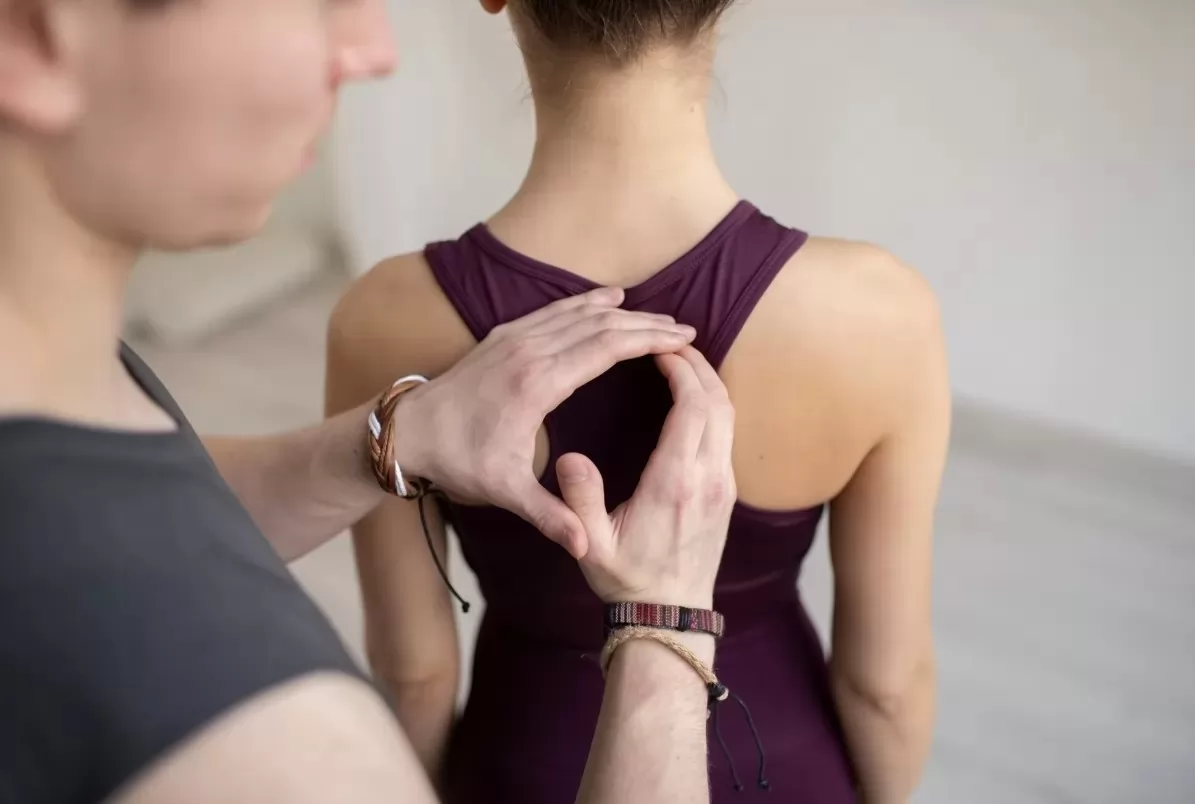
Can Scoliosis Be Corrected with Physical Therapy?
Dr. Akif Albayrak – Spinal Surgeon
Scoliosis is a spinal condition characterized by an abnormal lateral curvature of the spine, commonly encountered, especially during adolescence. The severity of the condition, its rate of progression, and the patient's age directly affect the treatment process. One of the most frequently asked questions by patients and their families is, "Can scoliosis be corrected with physical therapy?"
In this article, based on both my medical experience and scientific data, I will explain the role of physical therapy in scoliosis, in which cases it is effective, and the key points to consider during the treatment process.
What is Scoliosis?
Scoliosis is a three-dimensional deformity involving the sideways curvature of the spine, accompanied by rotation of the vertebrae. It is often detected during childhood or adolescence. When identified early, its progression can be stopped or slowed down.
What is the Role of Physical Therapy in Scoliosis?
Physical therapy is not a miraculous standalone solution for scoliosis treatment. However, when correctly planned and consistently applied, it can:
-
Strengthen the muscles surrounding the spine,
-
Help correct posture,
-
Increase flexibility,
-
Reduce pain,
-
Lower the risk of curve progression.
Important: The success of physical therapy depends on the degree of scoliosis, the patient's age, spinal flexibility, and adherence to the treatment plan.
In Which Cases is Physical Therapy Effective?
-
In mild scoliosis cases (10-25 degrees), regular exercise programs can halt the progression of the curvature.
-
In growing children, muscle balance can be achieved with the right exercises as spinal development continues.
-
In cases diagnosed early, the necessity for surgery can be reduced or delayed.
Is Physical Therapy Alone Sufficient?
In advanced scoliosis (40 degrees and above), physical therapy alone is not sufficient. For these patients, brace treatment or surgical options are evaluated. However, even if surgery is planned, pre- and post-operative physical therapy programs accelerate the recovery process.
Scoliosis Exercises with Medical Guidance
Scoliosis exercises must absolutely be planned under the guidance of a doctor and physiotherapist. Random exercises can worsen the existing curvature. Specifically, the Schroth method, which involves scoliosis-specific breathing techniques and postural correction exercises, is one of the most widely used approaches worldwide.
My recommendations are:
-
Regular check-ups for early diagnosis: Especially in children, if a postural disorder is noticed, seek an examination without delay.
-
Individualized exercise program: Every patient's spinal structure is different; a personalized program should be implemented instead of standard exercise lists.
-
Combined approach with bracing: For moderate scoliosis, a combination of bracing + physical therapy yields more successful results.
-
Consistency: The benefits of exercises only manifest when they are performed regularly. A regimen of 2-3 professional therapy sessions per week plus home exercises is essential.
Physical therapy for scoliosis is a very valuable treatment method, especially for curves detected early and of low severity. However, it may not be sufficient alone for every patient. The treatment plan should be prepared on an individual basis, taking into account the scoliosis degree, age, lifestyle, and spinal flexibility.
Remember: In scoliosis, every month, and sometimes even every week, is important. Protecting your spinal health is possible with early diagnosis and correct treatment.