

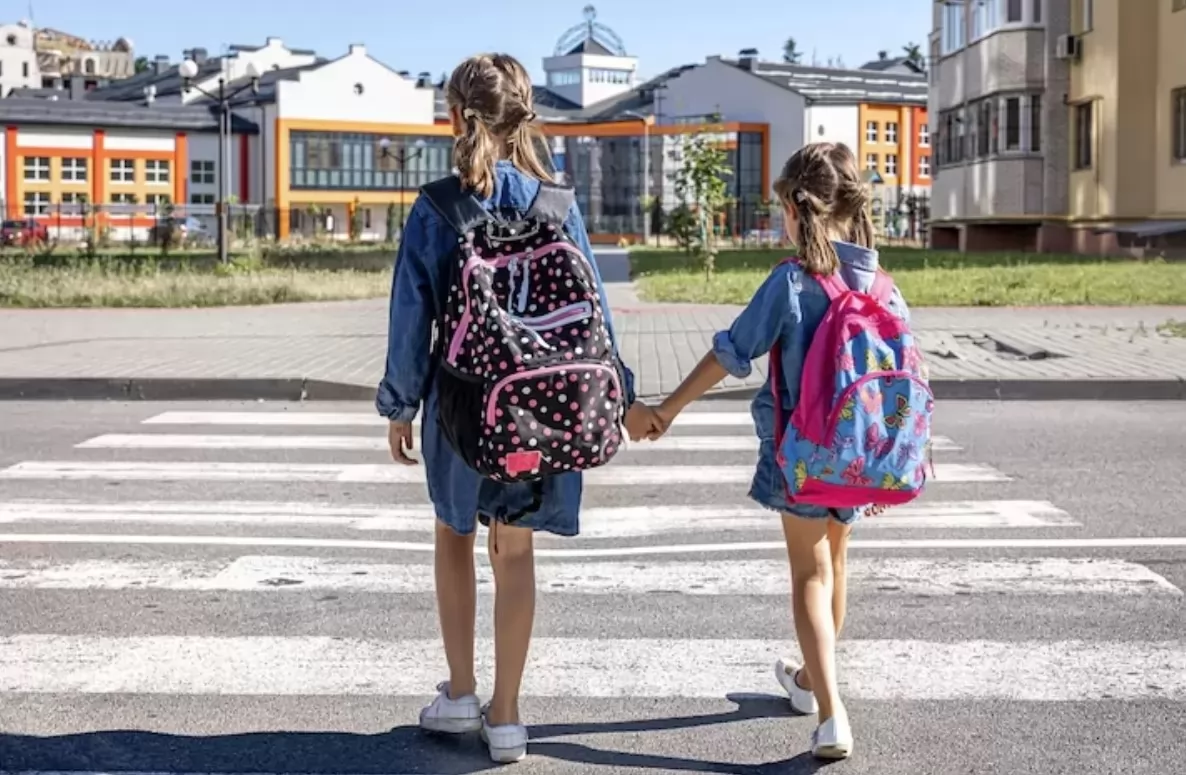
Can a Heavy School Bag Cause Scoliosis or Kyphosis?
Dear Parents,
The first question from almost every parent whose child comes to my clinic with back pain is: "Doctor, this isn't because of carrying a heavy bag, is it?" This is an extremely valid and appropriate concern. As a traumatology and orthopedic specialist, in this article, I want to provide a clear answer to this question and explain the real effects of heavy school bags on children's spines with scientific data.
The Short Answer: It is not a Direct Cause, but a Triggering and Aggravating Factor
Let's get straight to the point: Scientific studies show that a heavy backpack alone is not the primary cause of structural (idiopathic) scoliosis or kyphosis. The main cause of structural scoliosis and kyphosis is a complex combination of genetic, developmental, and environmental factors, and the exact cause is not yet fully known.
However, this does not mean heavy bags are harmless. A heavy bag is a significant source of stress for the spine and plays these very important roles, especially in at-risk children:
1. It Causes Postural Dysfunction
A heavy bag changes the body's center of gravity. The child instinctively leans their body forward or sideways to balance this weight. This is a temporary postural dysfunction. But when this position is maintained for long periods regularly, the muscles and ligaments begin to adapt to this incorrect posture, and a hunched posture (postural kyphosis) or an asymmetrical stance can become permanent.
2. It Can Mask or Worsen an Existing Spinal Curvature
This is one of the most critical points. A mild, undiagnosed scoliosis or kyphosis can be hidden behind the postural dysfunction caused by the heavy bag. While families attribute the child's slouching to the bag, the underlying real problem finds an opportunity to progress. Furthermore, an existing curvature can worsen due to the asymmetric load created by the heavy bag.
3. It is the Most Common Cause of Chronic Back, Lower Back, and Neck Pain
A heavy load causes the muscles, ligaments, and joints in the spine to work much harder than normal and become fatigued. This leads to muscle tension, spasms, and chronic pain. This pain prevents the child from enjoying daily activities, lowers their concentration, and negatively affects their quality of life.
So, What Should We Do? Prevention and Recommendations
Our goal is not to create fear, but to take conscious precautions. Here are the golden rules to protect your child:
-
Ideal Weight Rule: Your child's backpack should not weigh more than 10% of their body weight. (e.g., Max 3 kg for a 30 kg child).
-
Correct Bag Selection and Usage:
-
Light with Straps: The bag should be made of lightweight materials and have wide, padded shoulder straps.
-
Waist Belt: Bags with a waist belt help transfer the load from the shoulders and back to the pelvis, providing better balance.
-
Back Support: The back panel should be padded and supportive.
-
Adjust Straps: The bag should be adjusted to sit in the middle of the child's back (between the waist and shoulders) and should not sag down.
-
-
Wheeled Bags: Wheeled backpacks are an excellent solution, especially for children post-surgery or diagnosed with a spinal curvature.
-
Cooperation with the School: Talk to teachers and school administration about providing a second set of heavy textbooks at school or using digital materials to reduce the load.
Final Word and Important Warning
A heavy bag alone does not cause scoliosis/kyphosis, but it can worsen an existing problem, mask it, and turn it into a painful condition. If you observe constant back pain, postural dysfunction, shoulder asymmetry, or slouching in your child, please do not attribute it solely to the bag. These symptoms could be indicating an underlying structural problem.
Consulting a traumatology or orthopedic specialist for the most accurate diagnosis and to have your child's spinal health checked is the most critical step for early diagnosis and treatment.
Wishing you healthy days.