

Spinal Tumors
Spinal Tumor
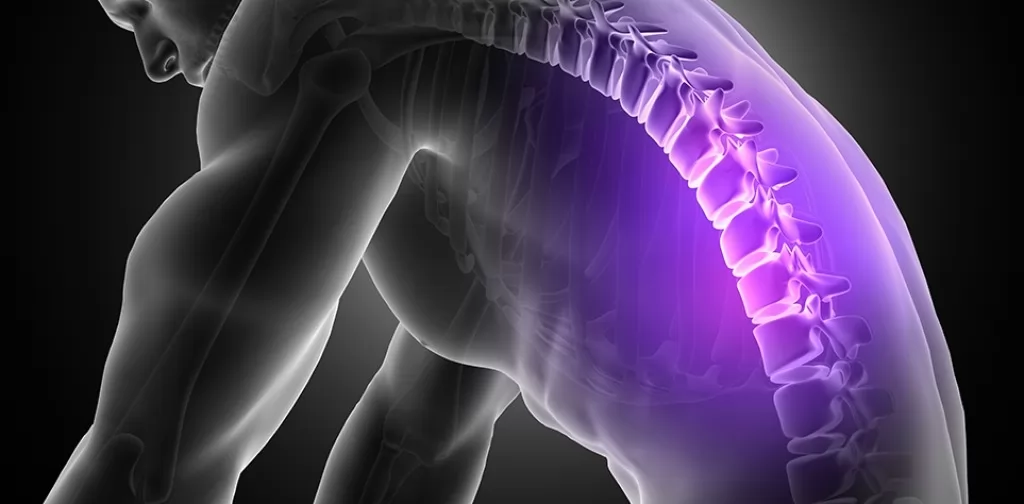
Spinal tumors; They are tumors that form the spine and spinal cord and can develop from any structure such as bone, nerve, soft tissue. Tumors can be located in any part of the spine such as neck, back, waist, coccyx.
Symptoms Of Spine Tumors
It is the pain that occurs in the relevant region of the spine and can be spread up and down (such as neck, low back pain). Pain may has especially at night and may increase with physical activity. If the tumor originates directly from the spinal cord or if the tumor originating from the vertebra presses on the spinal cord then spinal cord compression findings can be seen. These vary depending on where the press is. Findings such as numbness in the arms, legs and chest area, loss of strength in the hands, arms and legs, and difficulty in walking may occur.
Cause Of Spinal Tumors
The source of tumors are of two types. Firstly; They are tumors that originate from the cells that make up the structure of the spine and spinal cord. And they are called primary tumors. The second is tumors that develop in the spine due to the spread of tumors developing in other parts of the body (breast, prostate, etc.). And they are called metastatic tumors.
Metastatic Tumor
They are the most common tumors that primarily involve the body and then the pedicles.
- A history of cancer, unexplained weight loss, and metastatic tumors at age 50 are alarming findings. The main complaint is pain.
- They are usually osteolytic and usually asymptomatic unless they cause more than 30% destruction.
- Breast-lung prostate metastases are the most common. First, the lumbar region is involved, followed by the thoracic, cervical, and sacral regions.
- Poor prognostic signs: neurological dysfunction, proximal lesions, prolonged symptoms and rapid growth of metastasis.
- Unless the tumor is destabilizing, progressive, or dysfunction of the spinal cord or cauda equina, RT and Kt are the mainstay of therapy.
- RT; neurologic dysfunction, persistent pain, diagnostic biopsy, and pathological instability include surgical indications.
- Anterior decompression and stabilization or all-around combined anterior and posterior stabilization.
Primary Tumor
Osteid osteoma: It occurs with painful scoliosis in children. Scoliosis is typically rigid and rapidly progressive. Classically, it is a tumor with bone formation.
- Pain is typically relieved with aspirin. The osteoid osteoma is self-limiting and the nidus is 1.5 cm in size. If the lesion is 2 cm, it is osteoblastoma.
- Early resection scoliosis regresses for 11-year-old children. (the lesion is always posteriorly involved and typically at the apex of the convex side). The most common proximal femur, tibia diaphysis and spine.(lumbar>cervical,thoracic).
- If patient haven't scoliosis, the treatment is NSAID. If the pain does not decrease, surgery is preferred.
Osteoblastoma: It can reach a large size. It does not limit itself. Most commonly occurs in the cervical, then the lumbar thoracic sacral area.
- There is posterior and neurologic involvement (50%).
- Bone scintigraphy is always positive. It is important for diagnosis.
- Posterior resection and posterior fission are required.
Aneurysmal bone cyst: More aggressive; It occurs as tm degeneration.
- Occurrence in the 2nd decade is typical
- Posterior involvement. However, it may be anteriorly involved.
- Ted excision or RT
Hemangioma: Typically seen in asymptomatic patients. The most common benign tumor.
- There is classically a 'prison rail appearance' in direct radiographs.
- The spine is typically of normal size and not enlarged.
- In the case of persistent pain, the treatment is observation or RT.
Eosinophilic Granuloma: It is seen in children younger than 10 years old. Diagnosis is made by biopsy. Immobilization and stabilization are important after diagnosis.
- The thoracic spine is more often involved. Application is made with progressive back pain.
- Vertebra plana flattening is typical. It is mostly seen on the lateral radiograph.
- Bracing is indicated to prevent progressive kyphosis for children.
- Low-dose RT is indicated in the case of neurological deficits.
Giant Cell Tumor: It is seen more common in 4-5 Decades.
- It destroys the vertebral body in such a way as to expand it.
- Surgical excision and bone grafting are usually the recommended treatment.
- High recurrence is seen.
Plasmocytoma/Multiple myeloma: Causes osteoopenic lytic lesions.
- Pain, pathological fractures and osteoporosis are common.
- Treatment is RT
Chordoma: Classically it is located in front of the sacrum. It presents as a slow-growing midline or lytic lesion in the skull base.
- This tumor is detected by intra-abdominal complaints and a presacral mass.
- Recurrence is high. However, there is an indication for aggressive intervention in surgery.
- Life after diagnosis 10-15 years
Osteokondrom: It ıs the most seen primary bening bone tumor.
- It is seen in 90 cervical and upper thoracic spine. It originates from the posterior elements.
- Treatment is total excision of the tumor
Primary malignant lesions: Osteosarcoma, Ewing sarcoma and chondrosarcoma in the spine; rarely appears.
- They have a poor prognosis when they occur.
- KT and RT are the basics of treatment. Aggressive surgery may also play a role.
Lymphoma: Association with systemic disease is common. After diagnosis, RT and/or CT is the basis of treatment.
Spinal Tumors Treatment Methods
Non-surgical treatment methods: Non-surgical treatment methods are observation, chemotherapy and radiation treatments. Benign tumors that do not cause serious symptoms and do not spread aggressively can be followed up with frequent imaging methods (usually MRI). Also malignant primary tumors or metastases of the spine; May be sensitive to chemo or radiotherapy. In this type of tumors, chemo or radiotherapy may be the first treatment methods of choice.
Surgical treatment methods: Primary malignant tumors originating from the spine; As soon as it is detected, surgical treatment is usually preferred. The aim is to remove the malignant tumor cells from the environment as soon as possible. If primary malignant or metastatic tumors cause progressive neurological loss or loss of stool-urine control in a short time, surgery may be required. Surgical treatment may be required to fix the deteriorated vertebra in patients with abnormal spinal movement caused by the tumor. Another situation where surgery may be necessary is when the tumor is not sensitive to chemo or radiotherapy and does not respond to these treatments.