

Kyphosis (Hunchback) Surgery
Back health plays a vital role in our overall well-being. However, in some cases, spinal issues can occur. Kyphosis refers to a condition where the spine curves forward more than normal. Kyphosis surgery is a surgical procedure used to correct this problem. In this article, we will cover everything you need to know about kyphosis surgery, step by step.
1. What is Kyphosis?
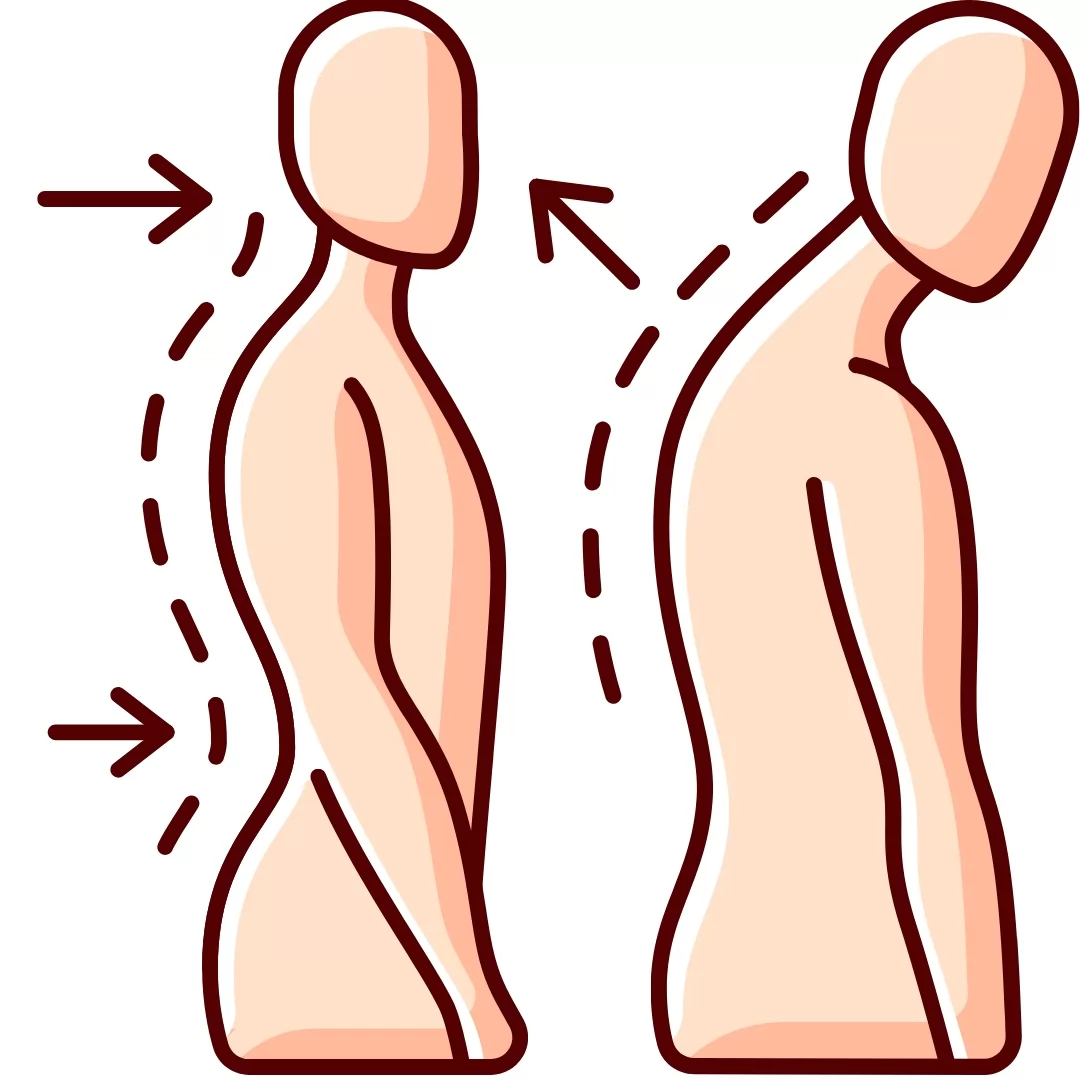
Kyphosis means that the spine curves forward more than its normal curvature. This condition can create a hump-like appearance in the back. Kyphosis usually occurs in the upper part of the spine and can affect a person’s posture.
2. Causes of Kyphosis
Kyphosis can occur due to various reasons, including:
-
Muscle Weakness: Weak back muscles can lead to kyphosis.
-
Osteoporosis: Weakened bones from osteoporosis can make the spine more prone to curving.
-
Congenital Factors: Some people are born with kyphosis.
-
Injuries: Spinal injuries can also trigger kyphosis.
3. Symptoms of Kyphosis
Symptoms of kyphosis may include:
-
A hunched appearance in the back
-
Back pain
-
Uneven shoulders
-
Difficulty breathing
4. Preparing for Kyphosis Surgery
Before kyphosis surgery, certain preparations are necessary. These may include:
-
Consultation and examination with a doctor
-
Quitting smoking and alcohol before surgery
-
Arranging support for the postoperative period
5. Types of Kyphosis Surgery
Kyphosis surgery can be performed using different methods. The most commonly used techniques are:
-
Posterior Surgery: Access is gained from the back of the spine, and the spine is corrected.
-
Anterior Surgery: Access is gained through the abdomen to correct the spine.
-
Combined Surgery: Both anterior and posterior approaches are used to correct the spine.
6. Postoperative Care After Kyphosis Surgery
The postoperative period requires careful attention. During this time, it is important to:
-
Attend regular doctor appointments
-
Participate in physical therapy programs
-
Take medications as prescribed
7. Risks of Kyphosis Surgery
Like any surgical procedure, kyphosis surgery carries certain risks. These may include:
-
Infection
-
Bleeding
-
Spinal cord injury
-
Anesthesia complications
8. Benefits of Kyphosis Surgery
The benefits of kyphosis surgery may include:
-
Improved spinal alignment
-
Reduced pain
-
Relief from breathing difficulties
9. Conclusion
Kyphosis surgery can be an important solution for individuals suffering from spinal issues. However, every patient is different, and the necessity of such surgery should be evaluated by a specialist doctor.
Frequently Asked Questions
1. How long does kyphosis surgery take?
The duration of kyphosis surgery varies depending on the type of procedure. It generally takes between 2 to 6 hours.
2. What is the recovery process like after kyphosis surgery?
The recovery process varies from person to person but generally takes several weeks. Physical therapy and following the doctor’s recommendations are important.
3. Is there a risk of kyphosis recurring after surgery?
Yes, in some cases, there is a risk of kyphosis recurring after surgery. However, following the doctor’s advice can reduce this risk.
4. How long after kyphosis surgery can I return to work?
The time to return to work depends on the complexity of the surgery and the patient’s recovery speed. It is important to follow the doctor’s recommendations.
5. Who are suitable candidates for kyphosis surgery?
Suitable candidates for kyphosis surgery are individuals experiencing spinal issues who have not achieved results with other treatment methods. Since every patient’s situation is different, it is important to consult a specialist.